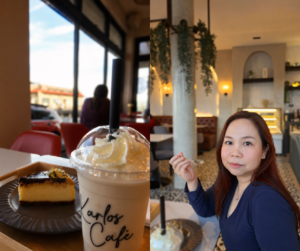
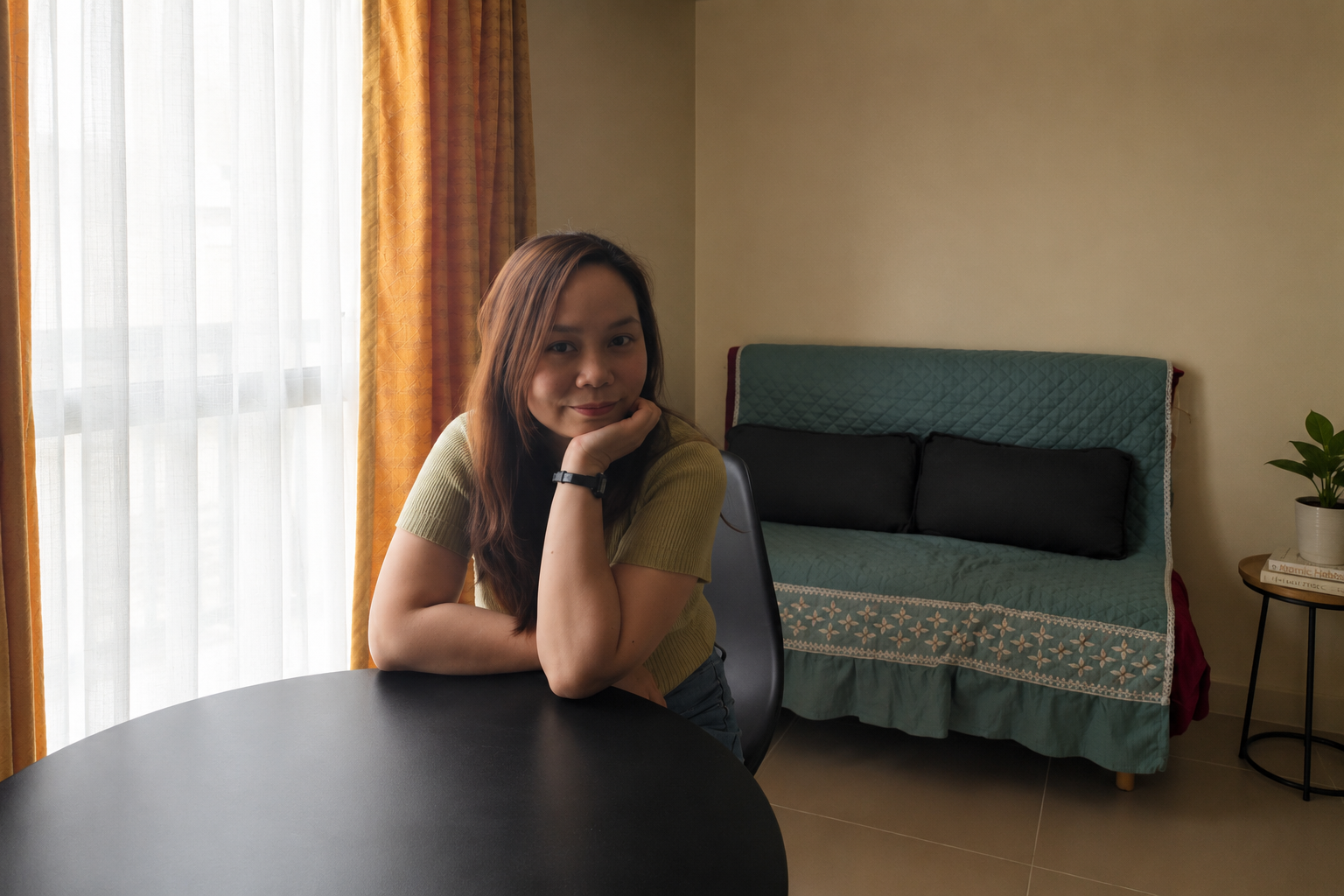
A few years ago, I would have considered staying home a failure.
If I declined an invitation, canceled plans, or simply didn’t have the energy to go out, I immediately felt guilty. I told myself I wasn’t showing up for my life. That I was becoming too comfortable. That I was somehow turning into the kind of person I never wanted to be.
Sometimes I even felt like a hypocrite. Aren’t we constantly told to put ourselves out there, meet new people, and say yes to experiences?
But lately, I’ve started asking a different question:
What if I’m not avoiding life at all?
What if I’m simply listening to what I genuinely need?
Getting Older Doesn’t Mean Something Is Wrong
When I was younger, socializing came naturally. I had more energy, more curiosity about what everyone else was doing, and more willingness to fill my calendar with plans.
These days, that energy feels different.
It’s not that I dislike people. It’s not that I want to isolate myself from the world. I still enjoy meaningful conversations and spending time with people I care about.
But what has changed is my desire for constant activity.
More often than not, I’d rather spend a quiet afternoon creating something at home, reading, writing, or working on a project that excites me. When creativity strikes, that’s where I want my attention to go.
For a long time, I resisted this shift. I kept wondering whether I should be trying harder to be the person I used to be.
The Internet Loves to Tell You How to Live
One thing that often fuels my guilt is the endless stream of advice online.
Everywhere I look, there seems to be a warning about the dangers of staying home too much. Posts about how people lose friendships because they don’t make enough effort. Videos predicting that you’ll end up lonely if you don’t keep expanding your social circle. Articles reminding you that relationships require constant maintenance.
Some of that advice is probably true.
But I’ve realized that the internet has a habit of turning general observations into universal rules.
What applies to one person doesn’t automatically apply to everyone that’s why I’d rather take those advise with a grain of salt.
When You Feel Like You’re the Problem
Part of why these messages affected me so much is because they touched an insecurity I’ve carried for years.
In some of my past relationships and friendships, I often felt like I wasn’t enough.
The people around me seemed to thrive on constant social activity. Their calendars were always full. They had large circles of friends, endless plans, and a level of social energy that never seemed to run out.
Meanwhile, I was the person who preferred a quiet weekend at home.
Over time, that difference made me wonder if something was wrong with me.
Maybe I wasn’t outgoing enough. Maybe I wasn’t making enough effort. Maybe I was missing some essential part of adulthood that everyone else seemed to understand.
Looking back, I don’t think the problem was that either of us was wrong. We were simply wired differently. And I know that now.
But when you’re constantly comparing yourself to people whose personalities, needs, and lifestyles don’t match your own, it’s easy to mistake a mismatch for a personal flaw.
For a long time, I interpreted my preference for solitude as evidence that I needed fixing.
Now I’m starting to see it differently.
Maybe I’ve changed.
Maybe the version of me who wanted a busier social life simply isn’t who I am anymore.
And if I’m honest, I think I’ve spent years mourning that change. I remember finding myself crying but cannot explain and share with others the reason why.
Part of me kept expecting the old version of myself to come back. The one who had more energy for social gatherings, who felt excited by crowded places, and who measured a good life by how much was happening around her.
But people change. Priorities change. The things that energize us change.
Perhaps what I’ve been grieving all this time wasn’t loneliness. It was the loss of an older version of myself.
And acceptance began when I stopped trying to get her back.
Choosing a Quieter Life on Purpose
When I moved out of the city in Metro Manila, I wasn’t running away from life.
I was moving toward the kind of life I wanted.
I wanted less traffic, less noise, fewer crowds, and fewer days that felt rushed from beginning to end. I wanted space to think, to create, and to breathe.
So why would I build a quieter life and then feel guilty for enjoying it?
The more I thought about it, the more I realized that many of my worries weren’t coming from my own values. They were coming from other people’s expectations and opinions.
Somewhere along the way, I had allowed strangers on the internet and even friends to make me question decisions that already felt right in my gut.
And every time I did, I drifted further away from myself.
Living According to My Own Values
These days, I’m less interested in following someone else’s blueprint for a good life.
That includes the pressure to socialize more than I want to. It includes the idea that a full calendar automatically means a meaningful life. And it includes the belief that there’s only one right way to spend our time.
Even when it comes to dating, I’ve stopped treating it like an urgent problem that needs solving.
What matters most to me now is building a life that feels intentional.
A life with enough quiet to hear my own thoughts.
A life that makes room for creativity, reflection, meaningful work, and the things that genuinely matter to me.
I spent years believing I needed to become more like other people who are more outgoing.
But the older I get, the more I realize that a meaningful life is built by understanding your own preferences.
So, yes, maybe I’ll never be the person who thrives on constant social activity and that I’ve outgrown that version of myself. But that’s okay.
Because I’m no longer trying to force myself into a life that doesn’t fit.
Right now, I’m learning to trust what brings me peace, what gives me energy, and what feels true to who I am today.
Share this post!